The Campaign Worked. The Product Didn’t.
Enterprises today spend millions on awareness. Performance campaigns, influencer tie-ups, media buys, SEO pushes. India’s ad industry will reach ₹1.85 lakh crore in 2025 (Source: GroupM (TYNY) Report 2025) Every quarter, marketing budgets grow, dashboards glow green, and agencies celebrate “reach” and “clicks.”
And yet, when the user lands on the brand’s own product, be it the website, the app, or the dashboard, the experience breaks. Slow page loads. Server crashes when traffic spikes. Confusing navigation. Forms that don’t submit. Logins that fail. Outdated design systems that feel a generation behind the campaign they just clicked on.
The marketing team has done its job. The funnel worked. But the conversion died post-click, inside the enterprise’s own digital product. That’s the real leak in the growth engine.
Campaigns Can’t Fix Broken Products
A high-performing ad campaign that takes a user to a clunky product interface is like inviting guests to a party and forgetting to unlock the door.
Every click costs money. Digital media captured 46% of India’s ₹1 lakh+ crore ad spend in FY25 (Source: CRISIL: Digital Media Spend Outlook 2025). Yet enterprises routinely lose 70-90% of that traffic because their platforms don’t deliver on the promise their ads make.
CMOs know this. But they’re trapped. Marketing teams control awareness, while IT or product teams own the experience. The result is a split responsibility for what should be a single journey. The irony? The most efficient growth lever isn’t more media, it’s fixing what happens after the click.
Your Website & App Are Your Most Under-leveraged Media Channels
Most enterprises still see their digital platforms as “IT assets.” A website is a compliance requirement. A mobile app is an after-thought to tick an innovation box.
But in reality, these are the brand’s most powerful media properties. They’re where a brand actually earns attention.The homepage is the new billboard. The product page is the new sales pitch.
Except, in most enterprises, none of these are treated with the same care, creativity, or investment as a campaign. The promise says “effortless,” the product says “effort.”
Growth Is a Product Function, Not a Marketing Line-Item
Growth now demands cross-functional ownership, led by CMOs who think beyond campaigns. A well-architected website/app can outperform paid media. A simple onboarding flow can reduce customer acquisition costs (CAC). An intuitive dashboard can retain users longer than any discount code.
The brands that grow fastest aren’t the ones shouting louder; they’re the ones converting better. That’s why their user journeys feel effortless. The campaign tone matches the app UI. The CTA in the ad feels native when you land. The transition from curiosity to conversion is invisible.
Brands like Zomato and Swiggy know this. Their product is their marketing.
The CMO’s New Role: Custodian of Product Experience
Tomorrow’s CMOs won’t just brief agencies on campaigns, they’ll brief product teams on journeys. They’ll measure drop-offs, not just impressions. They’ll demand UX A/B tests alongside media ones. Because they’ll know that the most powerful brand message is delivered through usability.
This mindset shift requires new kinds of partners. Not just creative or media agencies, but product thinkers who understand brand storytelling, design, technology architecture, and growth metrics equally well.
I often see the same transformation curve: enterprises begin with a brand challenge, but the real unlock happens when they fix the product experience. The moment the product becomes frictionless and trustworthy, media efficiency doubles, conversion rates climb, and marketing budgets start compounding instead of leaking.
In a market growing toward a digital economy of $1T+, these aren’t incremental gains, they are strategic imperatives.
Growth Happens Post-Click
The next decade of enterprise growth won’t be won through media buying alone; it’ll be won through digital products that actually deliver when users show up.
So before spending another crore on reach, ask a harder question:
What happens when they click?
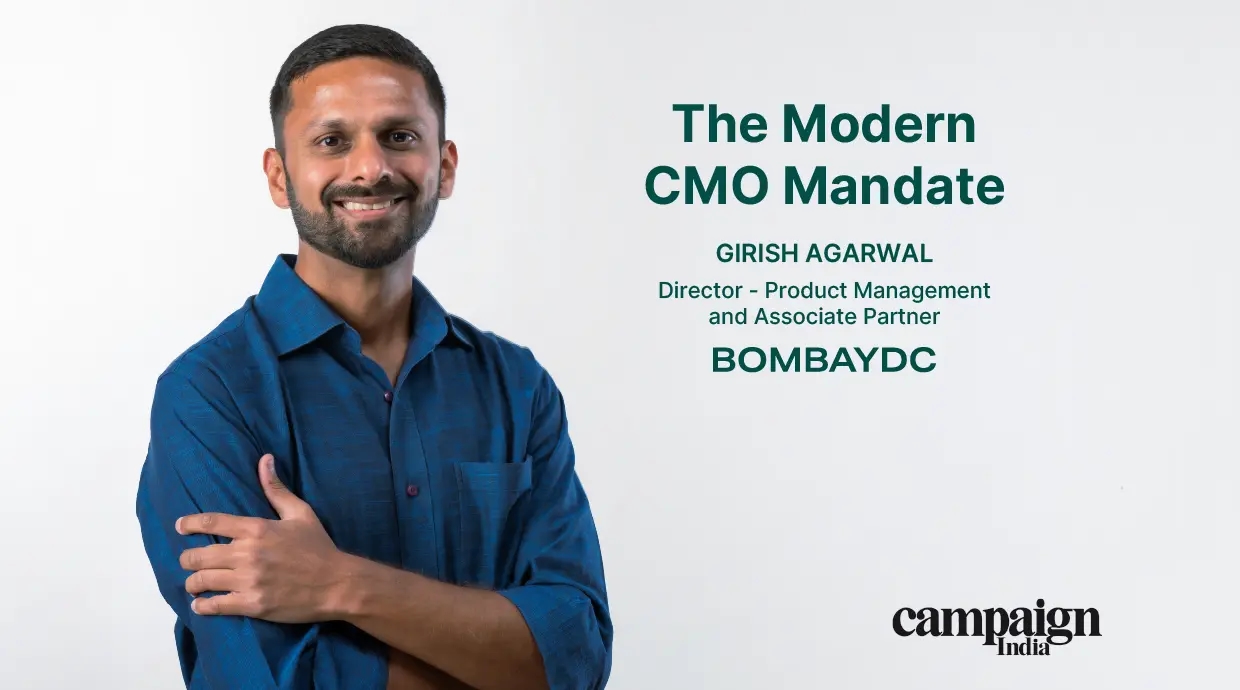
The Modern CMO Mandate: Own the Product, Not Just the Campaign
The Campaign Worked. The Product Didn’t.
Enterprises today spend millions on awareness. Performance campaigns, influencer tie-ups, media buys, SEO pushes. In India, total advertising spends reached ₹1,11,000 crore in FY2025, with digital ads growing 20% year-on-year and accounting for 44% of the market, overtaking TV for the first time. Every quarter, marketing budgets grow, dashboards glow green, and agencies celebrate “reach” and “clicks.”
And yet, when the user lands on the brand’s own product, be it the website, the app, or the dashboard, the experience breaks. Slow page loads (53% of mobile users will abandon a site if it takes more than 3 seconds to load, a critical concern in mobile-first markets like India). Server crashes when traffic spikes. Confusing navigation. Forms that don’t submit. Logins that fail. Outdated design systems that feel a generation behind the campaign they just clicked on. Nearly 88% of online users globally won’t return after a poor experience, underscoring how bad UX kills loyalty.
The marketing team has done its job. The funnel worked. But the conversion died post-click, inside the enterprise’s own digital product. That’s the real leak in the growth engine.
Campaigns Can’t Fix Broken Products
A high-performing ad campaign that takes a user to a clunky product interface is like inviting guests to a party and forgetting to unlock the door.
Every click costs money. Yet enterprises routinely lose 70-90% of that traffic because their platforms don’t deliver on the promise their ads make.
CMOs know this. But they’re trapped. Marketing teams control awareness, while IT or product teams own the experience. The result is a split responsibility for what should be a single journey. 70–90% of paid traffic fails to convert due to UX friction (a global trend observable in Indian UX outcomes) The irony? The most efficient growth lever isn’t more media; it’s fixing what happens after the click.
Your Website & App Are Your Most Under-leveraged Media Channels
Most enterprises still see their digital platforms as “IT assets.” A website is a compliance requirement. A mobile app is an after-thought to tick an innovation box.
But in reality, these are the brand’s most powerful media properties. They’re where a brand actually earns attention. The homepage is the new billboard. The product page is the new sales pitch.
Except, in most enterprises, none of these are treated with the same care, creativity, or investment as a campaign. The promise says “effortless,” the product says “effort.”
Growth Is a Product Function, Not a Marketing Line-Item
Growth now demands cross-functional ownership, led by CMOs who think beyond campaigns. A well-architected website/app can outperform paid media. A simple onboarding flow can reduce customer acquisition costs (CAC). An intuitive dashboard can retain users longer than any discount code.
The brands that grow fastest aren’t the ones shouting louder; they’re the ones converting better. That’s why their user journeys feel effortless. The campaign tone matches the app UI. The CTA in the ad feels native when you land. The transition from curiosity to conversion is invisible.
Brands like Zomato and Swiggy know this. Their product is their marketing.
The CMO’s New Role: Custodian of Product Experience
Tomorrow’s CMOs won’t just brief agencies on campaigns, they’ll brief product teams on journeys. They’ll measure drop-offs, not just impressions. They’ll demand UX A/B tests alongside media ones. Because they’ll know that the most powerful brand message is delivered through usability.
This mindset shift requires new kinds of partners. Not just creative or media agencies, but product thinkers who understand brand storytelling, design, technology architecture, and growth metrics equally well.
I often see the same transformation curve: enterprises begin with a brand challenge, but the real unlock happens when they fix the product experience. The moment the product becomes frictionless and trustworthy, media efficiency doubles, conversion rates climb, and marketing budgets start compounding instead of leaking.
In a market growing toward a digital economy of $1T+, these aren’t incremental gains, they are strategic imperatives.
Growth Happens Post-Click
The next decade of enterprise growth won’t be won through media buying alone; it’ll be won through digital products that actually deliver when users show up.
So before spending another million on reach, ask a harder question:
What happens when they click?